
Sustainable Pets (Dogs + Cats): Myth-Busting Guide That Actually Works
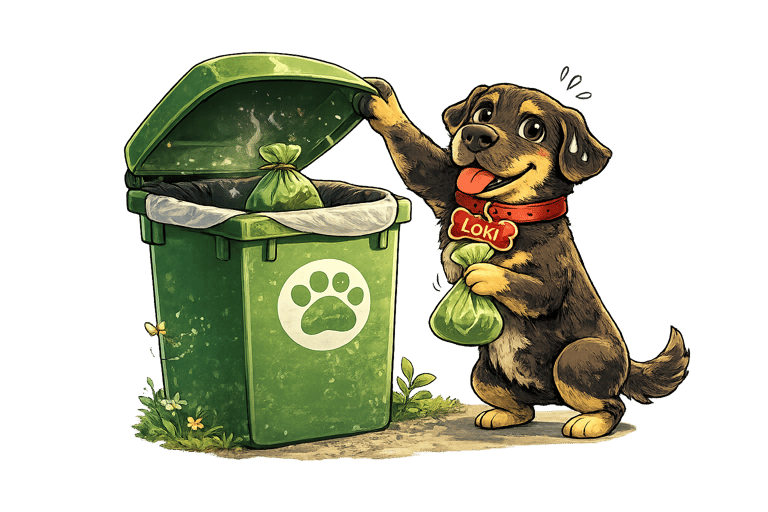
Myth 1: “Biodegradable/compostable poop bags break down in landfills, so I’m good.”
Reality: Most bags—compostable or not—don’t meaningfully break down in a landfill because landfills are designed to limit oxygen and moisture. “Compostable” also often means industrial composting conditions, not your backyard pile. Compostable plastics are typically certified against standards like ASTM D6400/D6868 for controlled composting systems.
What to do instead (dog + cat):
Default: pick up waste and dispose in trash unless your community has a pet-waste composting program designed for it. Many cities do not want pet waste in compost.
If you buy “compostable” bags anyway, choose certified compostable (and treat it as potentially compostable only where accepted—not a free pass everywhere).
Important nuance: There are controlled systems for composting dog waste safely when done correctly—but that’s not the same as tossing a bag into a random compost bin.
Myth 2: “Dog poop is ‘natural,’ so leaving it is basically composting.”
Reality: Pet waste can carry pathogens and adds nutrients (nitrogen/phosphorus) that can pollute waterways and contribute to algae problems.
What to do instead:
Pick it up every time, and trash it if there isn’t a pet-waste compost option designed for safety.
Myth 3: “Flushable cat litter is safe to flush.”
Reality: “Flushable” is mostly marketing. Cat feces can contain Toxoplasma gondii, and research and public agencies warn that pathogens can pass through wastewater treatment and impact marine life.
CDC guidance also emphasizes litter box hygiene because the parasite becomes infectious after 1–5 days in feces—meaning daily cleaning matters.
What to do instead:
Do not flush cat litter or cat feces. Bag it and dispose according to local rules.
Clean the litter box daily (safer for humans and reduces risk).
Myth 4: “I can recycle pet food bags with my curbside plastics.”
Reality: Many pet food bags are multi-layer packaging (mixed materials) that typical curbside systems can’t process. If a package is labeled “Not Yet Recyclable / Do Not Recycle,” it belongs in trash.
What to do instead:
Look for packaging with clear, verified instructions (ex: How2Recycle labels). If it says Not Yet Recyclable, don’t toss it in curbside.
Reduce packaging impact by:
buying larger bags (often less packaging per pound of food),
using subscription delivery to cut errand trips (when it replaces separate trips),
choosing brands improving packaging transparency.
Myth 5: “Plant-based cat litter = compost it like yard waste.”
Reality: Even if the litter itself is plant-based, the waste can carry pathogens. Some controlled systems may compost pet waste, but most home composting and many municipal programs do not want pet waste compost mixed with garden compost—especially not for edible gardens.
What to do instead:
Follow your local rules; if you compost pet waste at all, treat it as a separate, dedicated system and never use it on edible crops.
Otherwise: bag and trash.
Myth 6: “Sustainable pet care means expensive boutique products.”
Reality: The biggest wins are usually the boring ones:
buy fewer, longer-lasting items
reduce packaging where you can
cut waste and contamination (recycling done right)
This is the “less stuff, better stuff” approach—and it works.
Best low-cost, high-impact upgrades (dogs + cats):
Toy rotation: keep 5–7 toys out, store the rest, rotate weekly (less buying).
Repair before replace: stitching a bed cover beats buying a whole new bed.
Reuse containers: treat jars/tubs as treat storage instead of buying new organizers.
The “do this next” checklist (easy + realistic)
For dog homes
Pick up waste every walk; trash it unless you have a proper pet-waste compost system.
Choose poop bags for function first; treat “compostable” as conditional on local acceptance.
Keep pet waste out of waterways (it’s not just gross—it’s pollution).
For cat homes
Don’t flush litter or feces.
Scoop daily (health + safety).
Treat litter packaging realistically: most is trash unless clearly accepted.
How EcoSquad can help (without turning your home into a “rules museum”)
EcoSquad can set up a simple, low-waste pet system that’s actually easy to maintain:
a 2-minute waste station (bags, sealed bin strategy, odor control)
a recycling reality check for pet packaging in your area
low-waste shopping swaps that don’t sacrifice quality or convenience
a custom “what goes where” guide for dog and cat households
Less guessing. Less waste. More “we’ve got this.”
Citations:
CDC — Toxoplasmosis: message for cat owners (PDF): https://www.cdc.gov/parasites/toxoplasmosis/resources/printresources/catowners.pdf
CDC — Preventing toxoplasmosis (litter box daily; 1–5 days to become infectious): https://www.cdc.gov/toxoplasmosis/prevention/index.html
US EPA (hosted PDF) — Composting Dog Waste booklet (notes on safe use; not for food crops): https://www.epa.gov/system/files/documents/2022-11/Composting-Dog-Waste-Booklet-Alaska.pdf
USDA — Pet waste disposal systems & water quality impacts: https://www.usda.gov/about-usda/news/blog/pet-waste-disposal-systems-help-protect-water-quality
San Mateo County Sustainability — Pet waste guidance (do not compost pet waste): https://www.smcsustainability.org/water-protection/keeping-our-waterways-clean/pet-waste/
Ventura County Public Works — Cat litter + toxoplasma / don’t flush: https://publicworks.venturacounty.gov/2018/03/11/catlitter/
Science.org — “Kitty litter killing otters?” (toxoplasma oocysts surviving sewage): https://www.science.org/content/article/kitty-litter-killing-otters
How2Recycle — FAQ (Not Yet Recyclable = trash): https://how2recycle.info/frequently-asked-questions/
How2Recycle — “Multi-Layer” guidance: https://how2recycle.info/instructions/multi-layer/
How2Recycle — Guidelines for Use (Abbreviated PDF): https://how2recycle.info/wp-content/uploads/2025/01/How2Recycle_GuidelinesForUse_Abbreviated.pdf
Sustainable Packaging Coalition — Compostable packaging + BPI + ASTM standards (PDF): https://sustainablepackaging.org/wp-content/uploads/2023/07/UnderstandingCompostablePackagingGuide.pdf






Contact
Get in touch for a greener tomorrow
Phone
© 2025. All rights reserved.
Join EcoSquad
Get tips and updates for greener living.